Platform Eveez
Platform Eveez
Platform Eveez
Brought structure to operational chaos by designing two core dashboards that unify fleet operations and service management across a multi-city EV subscription network
Brought structure to operational chaos by designing two core dashboards that unify fleet operations and service management across a multi-city EV subscription network
Brought structure to operational chaos by designing two core dashboards that unify fleet operations and service management across a multi-city EV subscription network
Timeline
Dec 2022 - Mar 2023 [4 months]
My Team
UI/ UX Designer [1],
Front End Engineer [2] + Backend Engineers [3],
QA Tester [1],
Project Manager
My Role
UI/ UX Designer
Platform
Web [Desktop + Mobile]
Service requests that took hours now take minutes. Fleet data that required manual compilation is now real-time. During my internship at Eveez, I designed the internal operations platform from scratch that transformed how they manage 6,500+ electric vehicles across multiple cities and hubs.
Service requests that took hours now take minutes. Fleet data that required manual compilation is now real-time. During my internship at Eveez, I designed the internal operations platform from scratch that transformed how they manage 6,500+ electric vehicles across multiple cities and hubs.
02
THE SOLUTION
02
THE SOLUTION
01
01
THE BACKGROUND
THE BACKGROUND
Context
Context
Context
Eveez is a B2B2C electric vehicle subscription service operating across multiple cities in India. Businesses subscribe to eBikes for their delivery operations, serving thousands of end customers daily.
Eveez is a B2B2C electric vehicle subscription service operating across multiple cities in India. Businesses subscribe to eBikes for their delivery operations, serving thousands of end customers daily.
Eveez is a B2B2C electric vehicle subscription service operating across multiple cities in India. Businesses subscribe to eBikes for their delivery operations, serving thousands of end customers daily.
The Solution
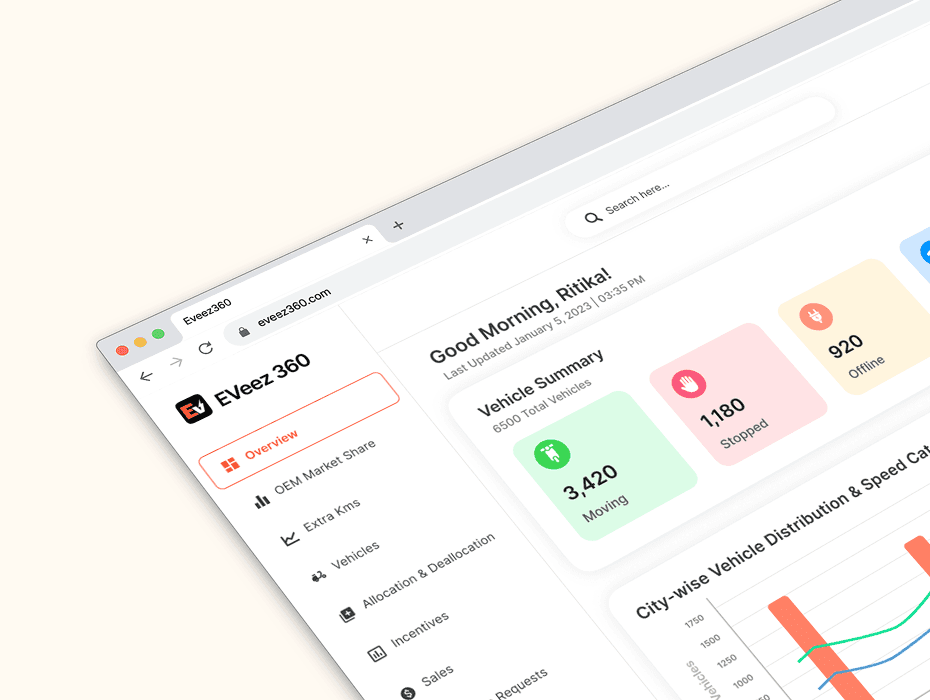
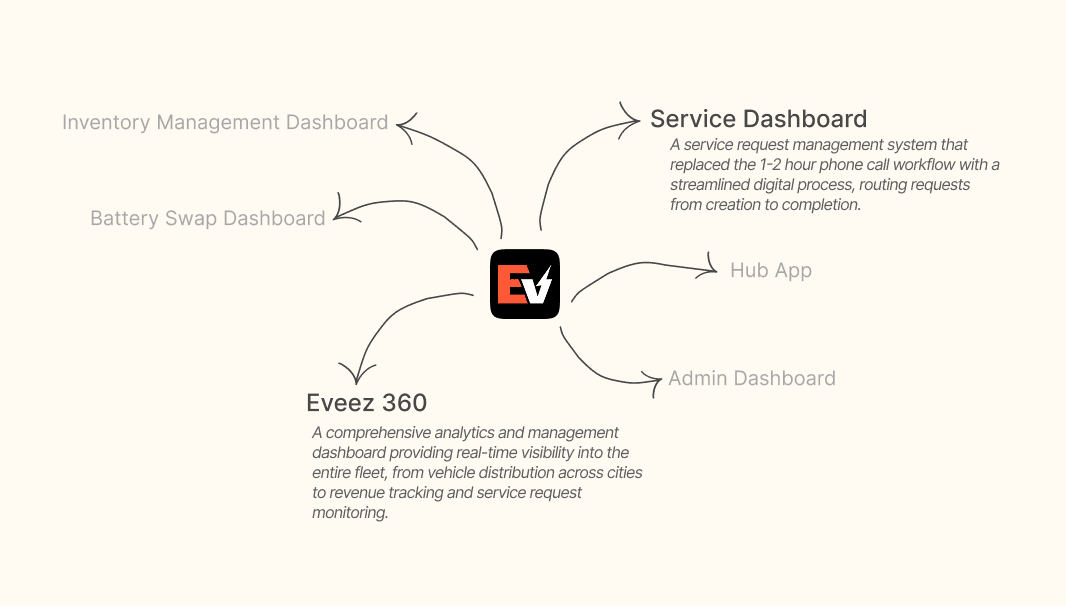
Two interconnected dashboards that unified Eveez's operations, each serving different user needs across the organization.
The Solution
Two interconnected dashboards that unified Eveez's operations, each serving different user needs across the organization.
The Solution
Two interconnected dashboards that unified Eveez's operations, each serving different user needs across the organization.
The Problem
The Problem
The Problem
When I joined in December 2022, the company was managing 6,500+ vehicles across 5 cities using Excel spreadsheets, paper records, phone calls, and manual notes.
When I joined in December 2022, the company was managing 6,500+ vehicles across 5 cities using Excel spreadsheets, paper records, phone calls, and manual notes.
When I joined in December 2022, the company was managing 6,500+ vehicles across 5 cities using Excel spreadsheets, paper records, phone calls, and manual notes.
A typical service request workflow:"When a vehicle needed service, the rider would call their manager, who would take notes about what type of service is required and where, then call the Eveez team. The Eveez team would manually check technician availability in spreadsheets, call the technician, then call back the manager. The entire process could take at least 1-2 hour, and that's if nothing got lost along the way."
— Process observed during onboarding conversations with my manager
A typical service request workflow:"When a vehicle needed service, the rider would call their manager, who would take notes about what type of service is required and where, then call the Eveez team. The Eveez team would manually check technician availability in spreadsheets, call the technician, then call back the manager. The entire process could take at least 1-2 hour, and that's if nothing got lost along the way."
— Process observed during onboarding conversations with my manager
A typical service request workflow:"When a vehicle needed service, the rider would call their manager, who would take notes about what type of service is required and where, then call the Eveez team. The Eveez team would manually check technician availability in spreadsheets, call the technician, then call back the manager. The entire process could take at least 1-2 hour, and that's if nothing got lost along the way."
— Process observed during onboarding conversations with my manager
This created:
No centralized visibility: Co-founders and managers couldn't see real-time fleet status
Inefficient service management: Service requests were tracked manually, causing delays and missed maintenance
Scattered data: Vehicle allocation, customer info, and service records lived in different places
Operational bottlenecks: Admins spent hours searching for information across systems
This created:
No centralized visibility: Co-founders and managers couldn't see real-time fleet status
Inefficient service management: Service requests were tracked manually, causing delays and missed maintenance
Scattered data: Vehicle allocation, customer info, and service records lived in different places
Operational bottlenecks: Admins spent hours searching for information across systems
This created:
No centralized visibility: Co-founders and managers couldn't see real-time fleet status
Inefficient service management: Service requests were tracked manually, causing delays and missed maintenance
Scattered data: Vehicle allocation, customer info, and service records lived in different places
Operational bottlenecks: Admins spent hours searching for information across systems
The Challenge
Design a unified digital platform that could:
Give managers real-time visibility into fleet operations
Streamline service request workflows across 5 user roles
Replace fragmented manual processes with structured digital systems
Scale as the business grew across cities
The Challenge
Design a unified digital platform that could:
Give managers real-time visibility into fleet operations
Streamline service request workflows across 5 user roles
Replace fragmented manual processes with structured digital systems
Scale as the business grew across cities
My Impact
My Impact
My Impact
As the UI/UX Design Intern at Eveez, I led the design of both dashboards from research through developer handoff. I owned majority of the design work,
90% of the Service Dashboard and
75% of Eveez 360
while collaborating closely with my manager, engineers, and co-founders.
As the UI/UX Design Intern at Eveez, I led the design of both dashboards from research through developer handoff. I owned majority of the design work,
90% of the Service Dashboard and
75% of Eveez 360
while collaborating closely with my manager, engineers, and co-founders.
As the UI/UX Design Intern at Eveez, I led the design of both dashboards from research through developer handoff. I owned majority of the design work,
90% of the Service Dashboard and
75% of Eveez 360
while collaborating closely with my manager, engineers, and co-founders.
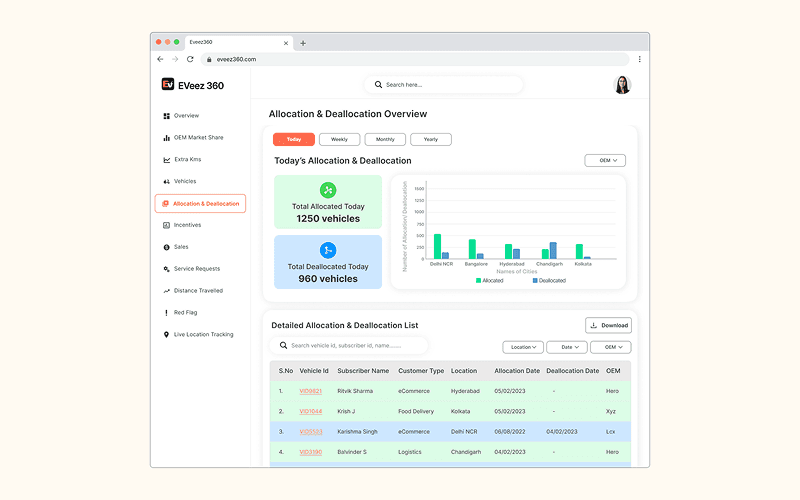
Eveez 360: Fleet Operations Platform
For: Internal team (Admins, Managers, Co-founders)
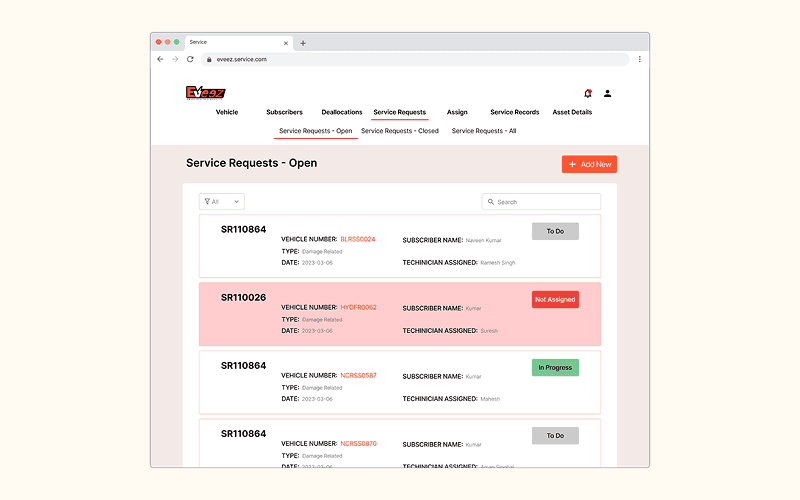
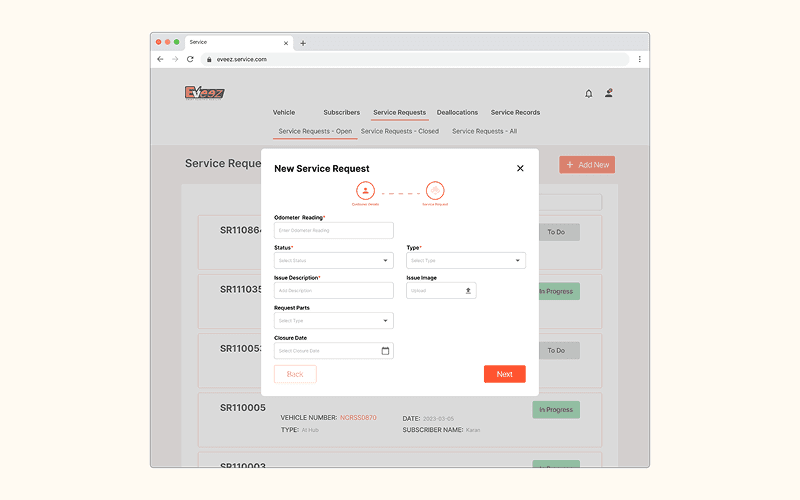
Service Dashboard: Multi-User Service Platform
For: 5 user types (Managers, Technicians, Customers, Riders, Admins)
Eveez 360: Fleet Operations Platform
For: Internal team (Admins, Managers, Co-founders)
Service Dashboard: Multi-User Service Platform
For: 5 user types (Managers, Technicians, Customers, Riders, Admins)
Eveez 360: Fleet Operations Platform
For: Internal team (Admins, Managers, Co-founders)
Service Dashboard: Multi-User Service Platform
For: 5 user types (Managers, Technicians, Customers, Riders, Admins)
03
RESEARCH & DISCOVERY
03
RESEARCH & DISCOVERY
Research
Research
During my first weeks at Eveez, I immersed myself in understanding the current workflows and user needs. Rather than jumping straight into design, I spent time learning how the team actually operated on a day-to-day basis.
Research Methods:
Interviewed the co-founder about business goals, operational challenges, and strategic priorities
Shadowed admins to understand daily fleet management tasks and pain points
Talked with technicians about service workflow bottlenecks and parts management issues
Observed customer managers managing their fleets and communicating with riders
Spoke with riders about their service request experience and frustrations
During my first weeks at Eveez, I immersed myself in understanding the current workflows and user needs. Rather than jumping straight into design, I spent time learning how the team actually operated on a day-to-day basis.
Research Methods:
Interviewed the co-founder about business goals, operational challenges, and strategic priorities
Shadowed admins to understand daily fleet management tasks and pain points
Talked with technicians about service workflow bottlenecks and parts management issues
Observed customer managers managing their fleets and communicating with riders
Spoke with riders about their service request experience and frustrations
During my first weeks at Eveez, I immersed myself in understanding the current workflows and user needs. Rather than jumping straight into design, I spent time learning how the team actually operated on a day-to-day basis.
Research Methods:
Interviewed the co-founder about business goals, operational challenges, and strategic priorities
Shadowed admins to understand daily fleet management tasks and pain points
Talked with technicians about service workflow bottlenecks and parts management issues
Observed customer managers managing their fleets and communicating with riders
Spoke with riders about their service request experience and frustrations
What I learned: The company was managing 6,500+ vehicles across 5 cities (Delhi NCR, Bangalore, Hyderabad, Chandigarh, Kolkata) using entirely manual processes. This created two major problem areas that needed separate solutions.
What I learned: The company was managing 6,500+ vehicles across 5 cities (Delhi NCR, Bangalore, Hyderabad, Chandigarh, Kolkata) using entirely manual processes. This created two major problem areas that needed separate solutions.
What I learned: The company was managing 6,500+ vehicles across 5 cities (Delhi NCR, Bangalore, Hyderabad, Chandigarh, Kolkata) using entirely manual processes. This created two major problem areas that needed separate solutions.
Discovery
Discovery
Discovery 1: Service Operations Were Chaotic
Through shadowing and interviews, I mapped the current process for handling vehicle service requests and discovered critical breakdowns at every step.
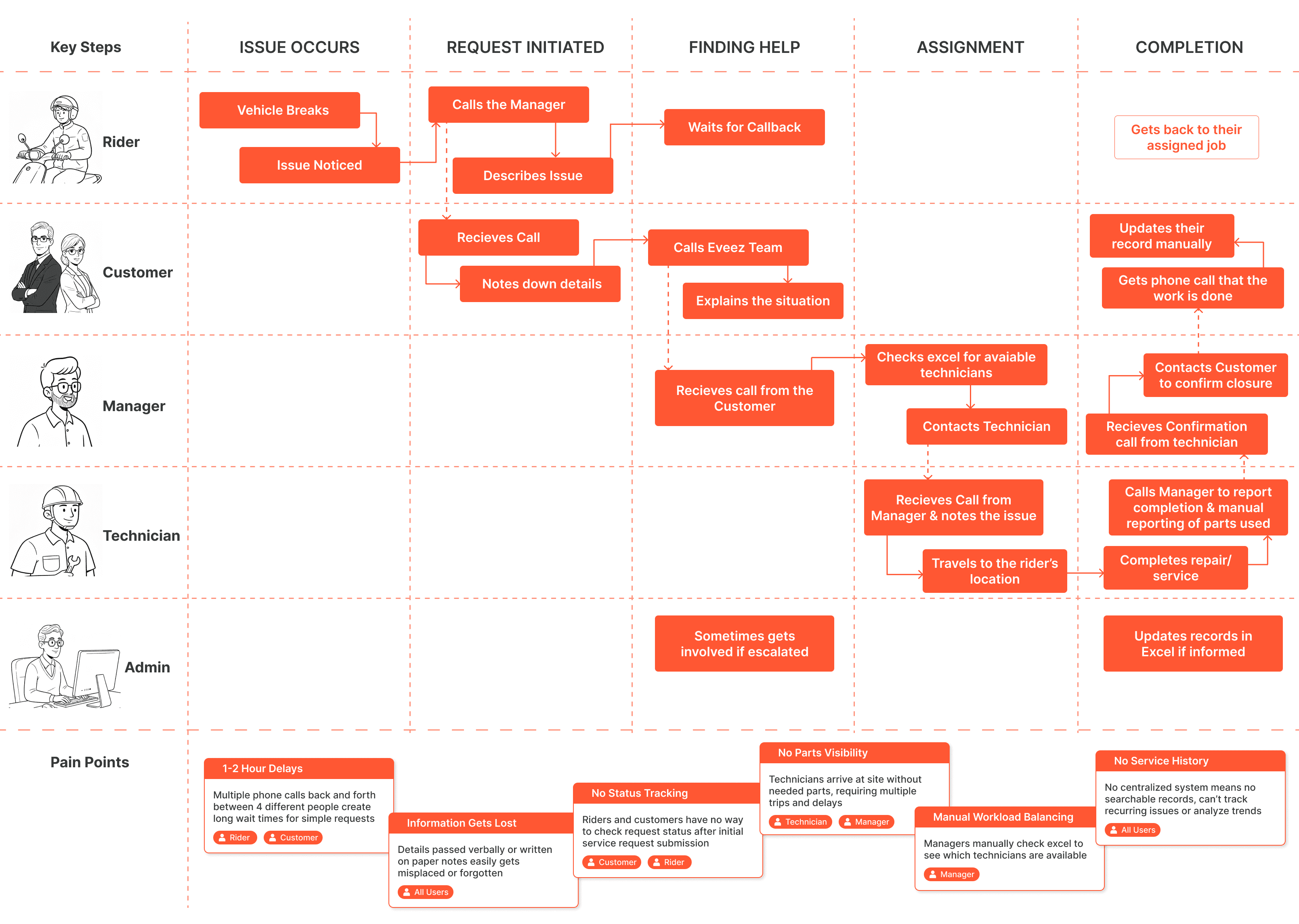
Key Insights for Service Dashboard:
Through this research, I discovered:
- 5 different user types (Riders, Customer Managers, Eveez Managers, Technicians, Admins) needed different levels of information and actions, but had no tailored interface
- The 1-2 hour phone call workflow created bottlenecks and errors, with information passing through 4 different people
- Critical information loss: Details passed verbally or written on paper notes often got lost or misunderstood
- Technicians arrived unprepared: Without parts inventory visibility, they often needed multiple trips to complete one job
- No tracking system: Requests could be forgotten, duplicated, or fall through cracks entirely
- No service history: No centralized records meant recurring issues couldn't be identified or analyzed
This led to the design of Service Dashboard, a multi-user platform that would digitize and streamline the entire service request workflow.
Design Direction
Design Direction
Based on these discoveries, I established core directions to guide both the dashboard designs:
Based on these discoveries, I established core directions to guide both the dashboard designs:
Based on these discoveries, I established core directions to guide both the dashboard designs:
Role-specific views:
Each user should only see what they need, reducing cognitive load and focusing their attention on relevant actions.
Reduce manual data entry:
Use autofill, drop downs, and smart defaults wherever possible to minimize errors and save time.
Visual hierarchy for critical information:
Status, counts, and alerts should be immediately visible without scrolling or clicking.
Mobile-first for field users:
Riders and technicians need mobile access while on the go - large touch targets, essential info only.
Centralized source of truth:
One system where everyone can find accurate, up-to-date information instead of scattered spreadsheets.
Role-specific views:
Each user should only see what they need, reducing cognitive load and focusing their attention on relevant actions.
Reduce manual data entry:
Use autofill, drop downs, and smart defaults wherever possible to minimize errors and save time.
Visual hierarchy for critical information:
Status, counts, and alerts should be immediately visible without scrolling or clicking.
Mobile-first for field users:
Riders and technicians need mobile access while on the go - large touch targets, essential info only.
Centralized source of truth:
One system where everyone can find accurate, up-to-date information instead of scattered spreadsheets.
Role-specific views:
Each user should only see what they need, reducing cognitive load and focusing their attention on relevant actions.
Reduce manual data entry:
Use autofill, drop downs, and smart defaults wherever possible to minimize errors and save time.
Visual hierarchy for critical information:
Status, counts, and alerts should be immediately visible without scrolling or clicking.
Mobile-first for field users:
Riders and technicians need mobile access while on the go - large touch targets, essential info only.
Centralized source of truth:
One system where everyone can find accurate, up-to-date information instead of scattered spreadsheets.
04
THE DESIGN
04
THE DESIGN
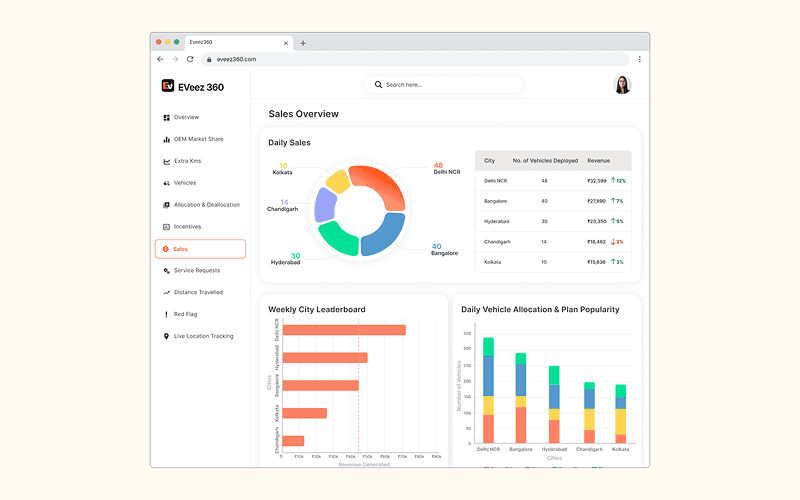
Final Designs & Key Features : Eveez 360
Final Designs & Key Features : Eveez 360
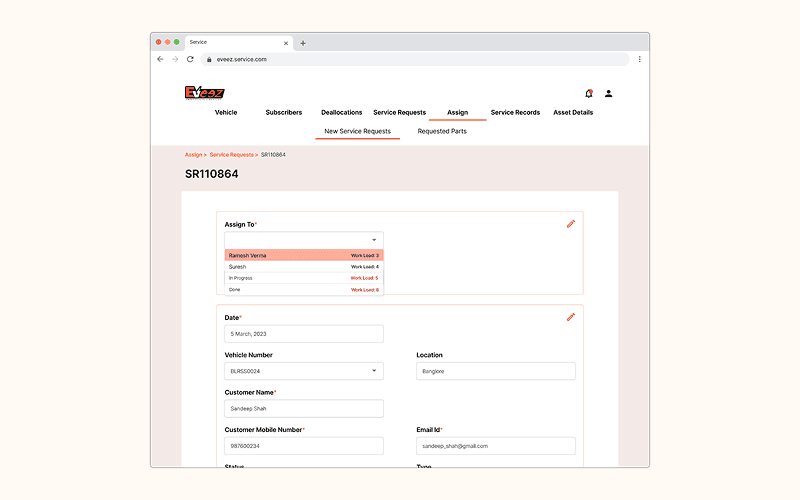
Final Designs & Key Features : Service Dashboard
Final Designs & Key Features : Service Dashboard
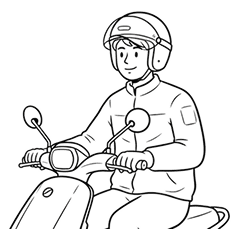
As a Rider, I want to quickly report a vehicle breakdown and check when the technician will arrive.
As a Rider, I want to quickly report a vehicle breakdown and check when the technician will arrive.

As an Admin, I want to add a new Customer Manager and link their fleet of 25 riders to their account.
As an Admin, I want to add a new Customer Manager and link their fleet of 25 riders to their account.

As the Customer Manager, I want to book a service request for one of my fleet vehicles and track its progress.
As the Customer Manager, I want to book a service request for one of my fleet vehicles and track its progress.
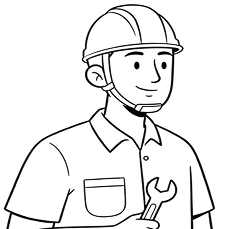
As a Technician, I want to request parts for an ongoing service job and update the status to complete once done.
As a Technician, I want to request parts for an ongoing service job and update the status to complete once done.
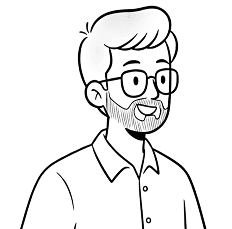
As the Manager, I want to assign a new service request to the technician with the least workload.
As the Manager, I want to assign a new service request to the technician with the least workload.
05
05
CONCLUSION
CONCLUSION
Impact & Shipping
Impact & Shipping
By the end of my internship in March 2023:
Service Dashboard: Actively in development with engineering team, with my designs being implemented in phases and already in production
Eveez 360: Ongoing development with continuous iterations based on evolving business needs
Both dashboards are now being used by the internal teams to manage their multi-city EV fleet operations.
By the end of my internship in March 2023:
Service Dashboard: Actively in development with engineering team, with my designs being implemented in phases and already in production
Eveez 360: Ongoing development with continuous iterations based on evolving business needs
Both dashboards are now being used by the internal teams to manage their multi-city EV fleet operations.
By the end of my internship in March 2023:
Service Dashboard: Actively in development with engineering team, with my designs being implemented in phases and already in production
Eveez 360: Ongoing development with continuous iterations based on evolving business needs
Both dashboards are now being used by the internal teams to manage their multi-city EV fleet operations.
Key Take Aways
Design for real-world constraints : Working at a startup taught me to balance ideal design with practical limitations. Not every feature could be built immediately, so I learned to prioritize and design in phases that engineering could implement incrementally.
Multi-user system require deep empathy : Designing for 7 different user types across two platforms taught me that "one size fits all" does not work.
Iteration is inevitable in startups : Eveez was growing and changing throughout my internship. I learned to embrace continuous iteration rather than expecting a "final" design.
Design systems pay off quickly : Creating a design system from scratch felt like extra work initially, but it accelerated everything that followed. Consistency across dashboards made the platform feel cohesive, and developers could reuse components.
Key Take Aways
Design for real-world constraints : Working at a startup taught me to balance ideal design with practical limitations. Not every feature could be built immediately, so I learned to prioritize and design in phases that engineering could implement incrementally.
Multi-user system require deep empathy : Designing for 7 different user types across two platforms taught me that "one size fits all" does not work.
Iteration is inevitable in startups : Eveez was growing and changing throughout my internship. I learned to embrace continuous iteration rather than expecting a "final" design.
Design systems pay off quickly : Creating a design system from scratch felt like extra work initially, but it accelerated everything that followed. Consistency across dashboards made the platform feel cohesive, and developers could reuse components.
Key Take Aways
Design for real-world constraints : Working at a startup taught me to balance ideal design with practical limitations. Not every feature could be built immediately, so I learned to prioritize and design in phases that engineering could implement incrementally.
Multi-user system require deep empathy : Designing for 7 different user types across two platforms taught me that "one size fits all" does not work.
Iteration is inevitable in startups : Eveez was growing and changing throughout my internship. I learned to embrace continuous iteration rather than expecting a "final" design.
Design systems pay off quickly : Creating a design system from scratch felt like extra work initially, but it accelerated everything that followed. Consistency across dashboards made the platform feel cohesive, and developers could reuse components.
Developer Handoff
Developer Handoff
I worked closely with the engineering team throughout the design process to ensure smooth implementation:
Organized Figma files by user role and module for easy navigation
Documented interaction states and edge cases
Created redlines for spacing and responsive behavior
Held walkthrough sessions with developers to explain design decisions
Iterated designs based on technical constraints and feedback
I worked closely with the engineering team throughout the design process to ensure smooth implementation:
Organized Figma files by user role and module for easy navigation
Documented interaction states and edge cases
Created redlines for spacing and responsive behavior
Held walkthrough sessions with developers to explain design decisions
Iterated designs based on technical constraints and feedback
I worked closely with the engineering team throughout the design process to ensure smooth implementation:
Organized Figma files by user role and module for easy navigation
Documented interaction states and edge cases
Created redlines for spacing and responsive behavior
Held walkthrough sessions with developers to explain design decisions
Iterated designs based on technical constraints and feedback
Reflection
Reflection
This internship was one of my best experience designing 0→1 products in a startup environment. I went from a company managing operations through excel and phone calls to shipping two production dashboards serving multiple user types across cities.
This internship was one of my best experience designing 0→1 products in a startup environment. I went from a company managing operations through excel and phone calls to shipping two production dashboards serving multiple user types across cities.
This internship was one of my best experience designing 0→1 products in a startup environment. I went from a company managing operations through excel and phone calls to shipping two production dashboards serving multiple user types across cities.
The biggest lesson? Good design for internal tools isn't about aesthetics, it is about deeply understanding workflows and reducing friction.
Every minute saved in the Service Dashboard was a minute a technician could spend fixing vehicles. Every hour saved compiling reports in Eveez 360 was an hour a manager could spend growing the business.
The biggest lesson? Good design for internal tools isn't about aesthetics, it is about deeply understanding workflows and reducing friction.
Every minute saved in the Service Dashboard was a minute a technician could spend fixing vehicles. Every hour saved compiling reports in Eveez 360 was an hour a manager could spend growing the business.
The biggest lesson? Good design for internal tools isn't about aesthetics, it is about deeply understanding workflows and reducing friction.
Every minute saved in the Service Dashboard was a minute a technician could spend fixing vehicles. Every hour saved compiling reports in Eveez 360 was an hour a manager could spend growing the business.

The Challenge
Design a unified digital platform that could:
Give managers real-time visibility into fleet operations
Streamline service request workflows across 5 user roles
Replace fragmented manual processes with structured digital systems
Scale as the business grew across cities